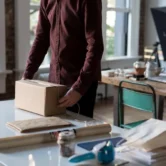
To sell fine art online, present each work with accurate, color-true images, clear details (title, medium, dimensions, year, price), and honest provenance, then make it easy for a collector to enquire and pay. Choose where to sell based on your goals – your own site and network keep the most margin, marketplaces bring reach – and ship insured with proper packing. This guide walks through each step from pricing to delivery.
Get your pricing right before anything else
Confused or inconsistent pricing stalls sales. Set prices you can defend:
- Price consistently by size, medium, and edition so your body of work reads as coherent.
- Look at what comparable artists at your level actually sell for, not aspirational numbers.
- Factor in framing, packing, and shipping so margins survive.
- Once you set a price publicly, avoid slashing it – it trains collectors to wait.
Photograph and describe each work faithfully
Online, the image is the artwork. Reproduce it honestly:
- Shoot square and straight-on in even, color-accurate light.
- Add a detail shot for texture and a scale or in-room shot so buyers grasp size.
- Write a caption with title, year, medium, exact dimensions, edition, and price.
- Add two or three sentences of genuine context – the idea, series, or method – without art-jargon.
The photography discipline mirrors what makes a printed catalogue work, covered in the art gallery catalogue guide.
Choose where to sell
There is no single best channel – match it to your goals:
- Your own site or brochure – maximum margin and control, but you drive the traffic.
- Online art marketplaces – reach and built-in trust, but commission and less direct contact.
- Social platforms – great for discovery and building an audience that later buys directly.
- Galleries and art fairs – credibility and collector networks, at a higher fee.
Many artists combine channels: build an audience socially, then convert interest through a professional, self-owned sales page.
Build trust with provenance and honesty
Collectors buying online cannot touch the work, so trust is everything. Provide a certificate of authenticity, note the work’s history and exhibition record where relevant, disclose condition accurately, and be transparent about whether a piece is an original or a print or edition. Clear return and framing information also reassures first-time buyers. If you sell editions, state the edition size and number, whether the print is signed, and how it was produced, since collectors treat a limited, hand-signed edition very differently from an open, mass-produced one. When you can, mention any galleries, fairs, or publications the work or the artist has appeared in – a documented exhibition history quietly justifies the price and lowers the buyer’s perceived risk.
Package and ship art without damage
A damaged arrival means a refund and a lost collector. Do it properly:
- Use acid-free materials, corner protectors, and rigid packaging suited to the medium.
- For glass or fragile surfaces, tape the glass and add extra rigidity.
- Insure the shipment for the full sale value and require signature on delivery.
- Document the work’s condition on video before packing.
- Set realistic delivery timelines and communicate tracking.
- For international sales, be clear about customs, duties, and who pays them so a buyer is not surprised at delivery.
Build an audience that buys
Most online art sales are not impulse buys from strangers – they come from people who have followed your work for a while. Cultivate that audience deliberately:
- Share work in progress and studio moments, not just finished pieces; process builds connection and trust.
- Post consistently so collectors see your development over time.
- Build an email list you own, and give it first access to new work and editions.
- Tell the story behind pieces – collectors buy the meaning as much as the object.
When a new collection drops, this warm audience is who converts first.
Handle enquiries and close professionally
How you respond to interest shapes whether it becomes a sale. Reply promptly and warmly, answer questions about size, medium, and framing clearly, and offer to send additional images or an in-room mockup. Be transparent about price, shipping, and timelines, and make paying easy and secure. If a collector hesitates, a low-pressure offer to hold the piece for a short window or arrange a payment plan often closes the gap without discounting your work.
Turn interest into a sale
The moment a collector is curious is the moment to make buying frictionless. A static image on social media loses that momentum; a professional sales page keeps it. With Brochurify you can turn any piece or collection into a polished digital brochure with your images, full details, and provenance, add a QR code for your studio or an art fair, let collectors open a live chat to reserve or ask about a work, and track views and engagement so you know which pieces are resonating. Automatic multilingual pages help you reach international buyers, an important part of selling fine art to a global audience.
Frequently asked questions
Where is the best place to sell fine art online?
It depends on your goal. Your own site or brochure keeps the most margin and control, marketplaces offer reach with commission, and social platforms are strong for discovery that converts to direct sales.
How should I price my art for online sale?
Price consistently by size, medium, and edition, benchmark against comparable artists at your level, and include framing and shipping costs so your margins hold.
How do I ship a painting safely?
Use acid-free, rigid packaging with corner protection, insure the shipment for the full value, require signature on delivery, and film the work’s condition before packing.
Do I need a certificate of authenticity?
Yes, especially for originals and limited editions. A certificate of authenticity, plus honest provenance and condition details, reassures online buyers and supports future resale value.
Want a professional way to sell your work online? Create a shareable digital art brochure with live enquiry and view tracking at brochurify.ai and make it easy for collectors to buy.